Product Design. Printed. Tested.
We design everyday products, small equipment housings, and creative gifts. Using 3D-printed prototypes, we check shape, fit, and basic use, then refine the design before you move to the next stage.
From a Sketch to a Prototype You Can Hold.
Design Build develops physical products for small businesses, independent creators, and product teams. We turn sketches and reference samples into 3D models, print test pieces, and revise details such as lids, handles, mounting points, and proportions.






Check the Design Before Making More.
A physical sample helps you spot an awkward grip, a loose lid, or a stand that tips over. We use those findings to improve the model before another print.
A Clear Starting Point
We review your idea, intended use, size, and budget, then define the design work, prototype quantity, and revision stages in your quote.
Something You Can Test
Hold the sample, assemble its parts, and try it in the intended setting. Check the details that are difficult to judge on screen.
Changes You Can Track
We record feedback and update the model, so you can see what changed between samples and decide whether another print is needed.
Stat title
Stat title
Stat title
Stat title
HOW WE WORK WITH YOU
We begin by deciding what the first sample needs to prove: whether the size feels right, the parts fit together, or the product is comfortable to use.
For an enclosure, we check the lid, screw locations, and openings against your supplied components. For a desk accessory, we review stability and access. For a souvenir, we compare proportions, visible details, and how it sits on its base.
We record measurements and feedback, revise the affected features, and agree on the next print. You can review the changes before approving another round of work.
Practical Products. Creative Objects.
Our work focuses on manageable products that can be shaped, printed, handled, and improved through physical testing.
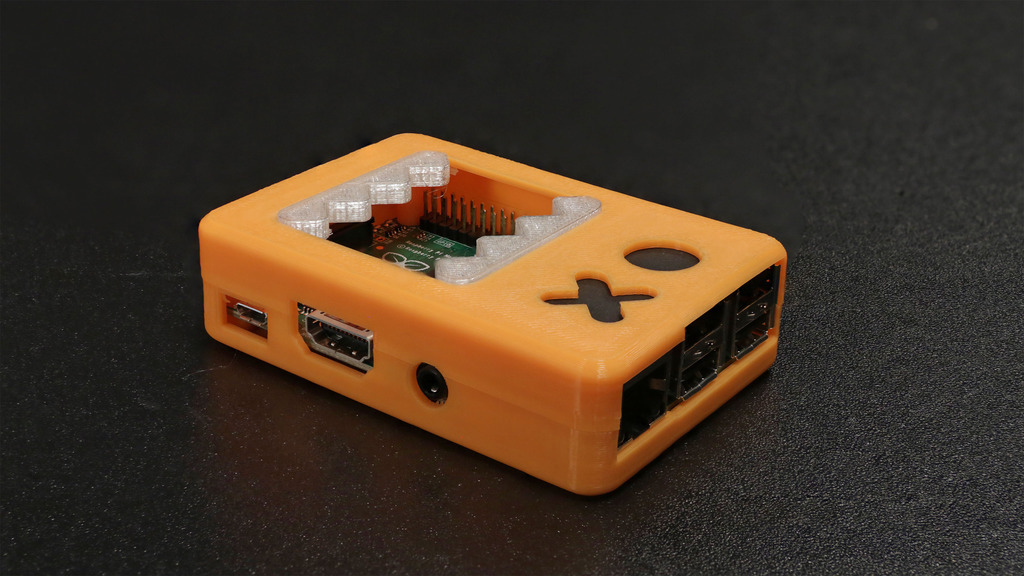
We design covers, cases, and front panels for small devices. Printed samples help check component space, cable openings, screw positions, and how the lid closes before the design is revised.
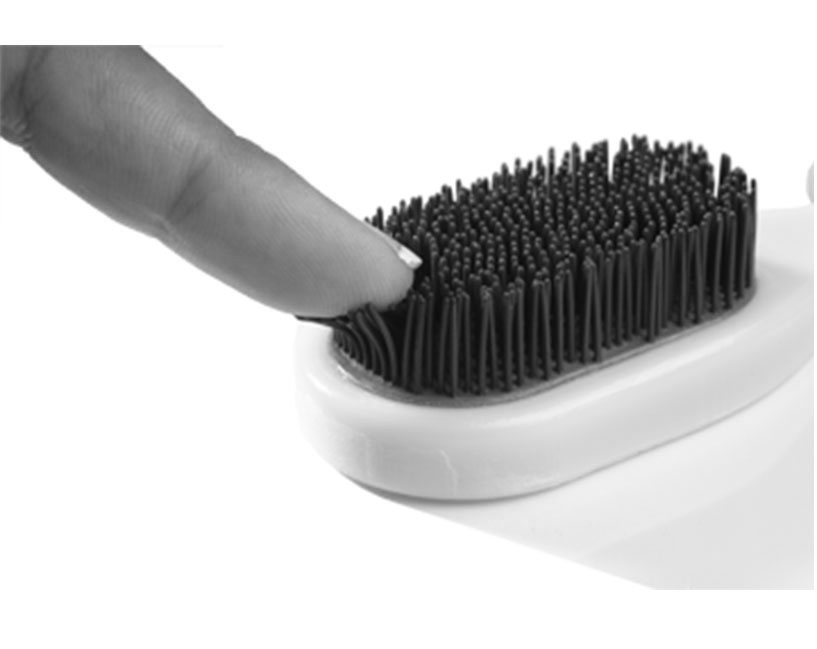
We develop phone stands, desk organizers, storage trays, and simple holders. Prototypes let you check whether the product stays steady, fits the intended items, and is easy to pick up or use.
We design positioning guides, small assembly holders, and tool accessories for routine tasks. Printed samples help check alignment, access, and handling against the actual parts used in your workspace.
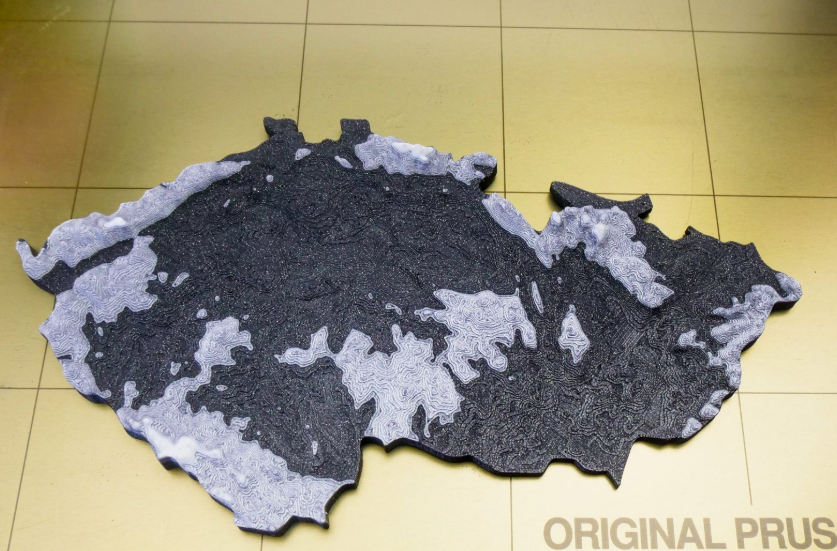
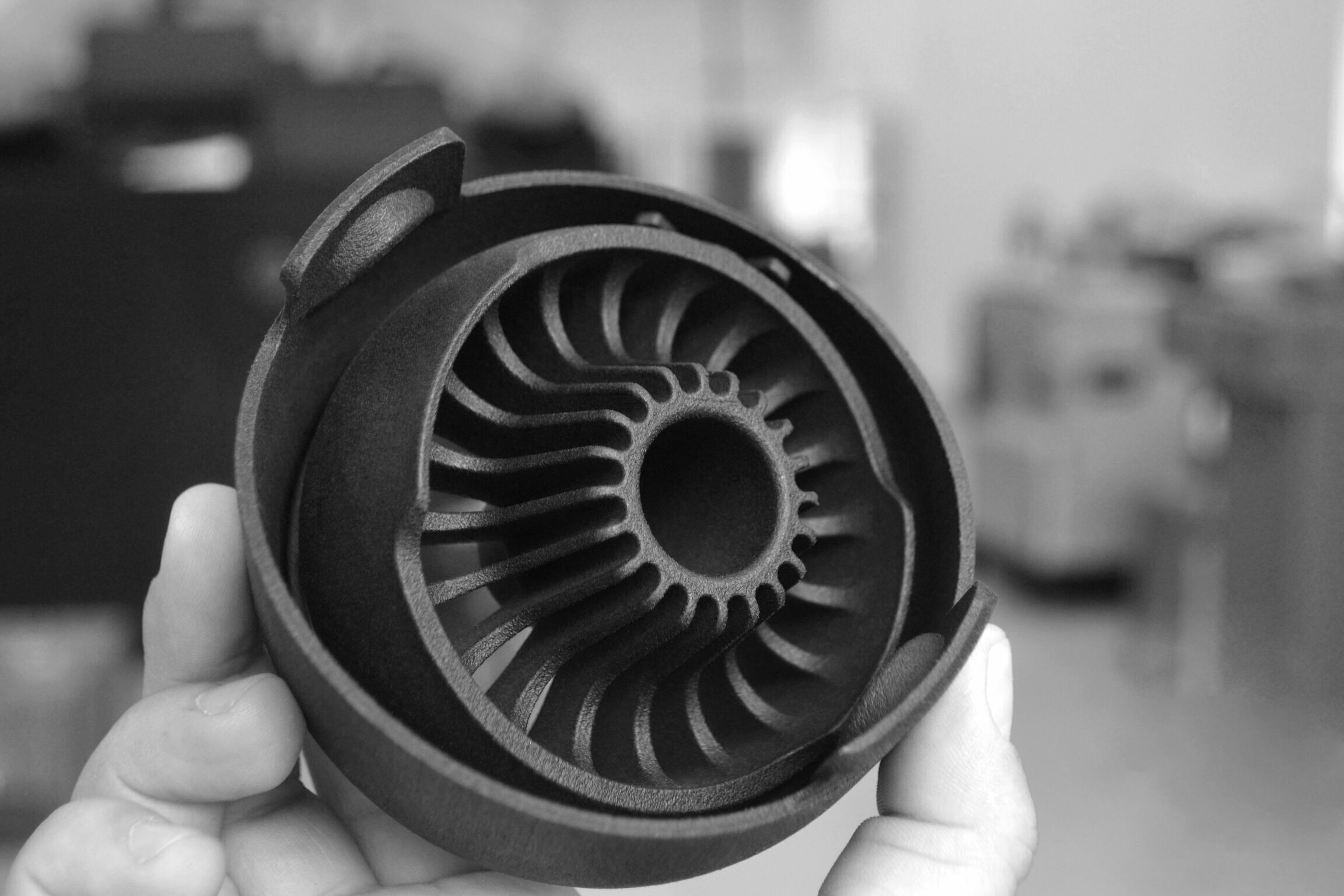
We turn original artwork, local themes, and brand ideas into souvenirs, small decorative objects, and display pieces. Printed models help review scale, recognizable details, base stability, and space for packaging before the design is finalized.
Design Support, Step by Step.
Start with a sketch, an existing model, or a sample that needs improvement. We define the work around what you need to design and test.
We work from your brief, sketches, and reference objects to define the product’s shape, size, main features, and intended use.
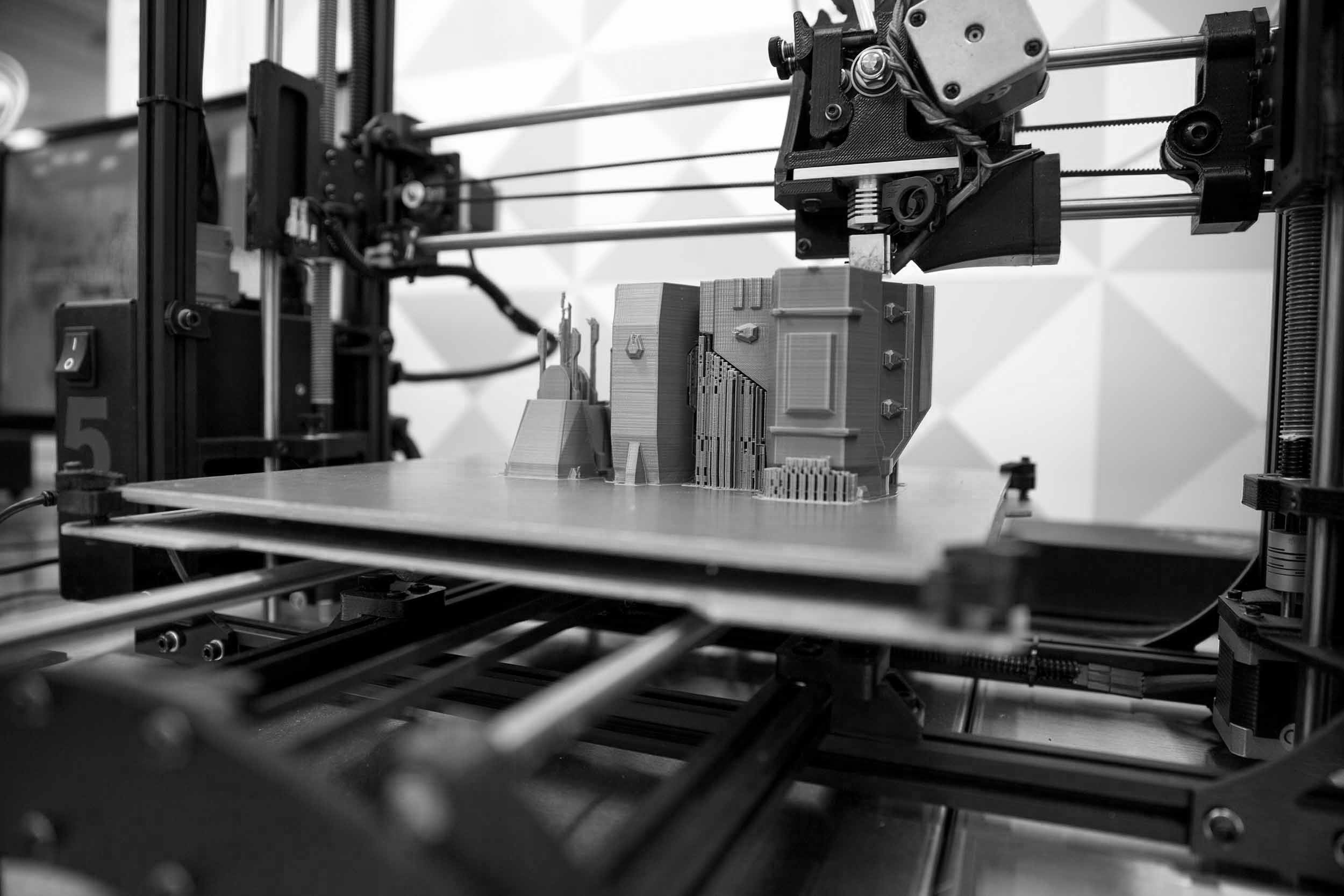
We build or revise the digital model, including walls, openings, lids, and connection points, and prepare it for prototype printing.
We plan the sample around what you need to check, then choose a suitable material, print orientation, and level of detail.
We measure key dimensions, try parts together, and review grip, access, and stability using your supplied components and agreed test conditions.
We adjust the features identified during testing, such as a tight opening, an uneven base, or a lid that needs a better fit.
We supply the agreed models, print files, physical samples, and revision notes so you have a clear record of the reviewed design.
Before We Start Your Prototype
What to send, what a sample can tell you, and how we define the work.
Tell Us What You Want to Make.
Describe the product, its approximate size, how it will be used, and what you need the first prototype to test. Include your target date and budget if available.
Address
131-07 40th Rd, Flushing, NY 11354
Info@design-buildnyc.com
Phone
+1 917-335-6638